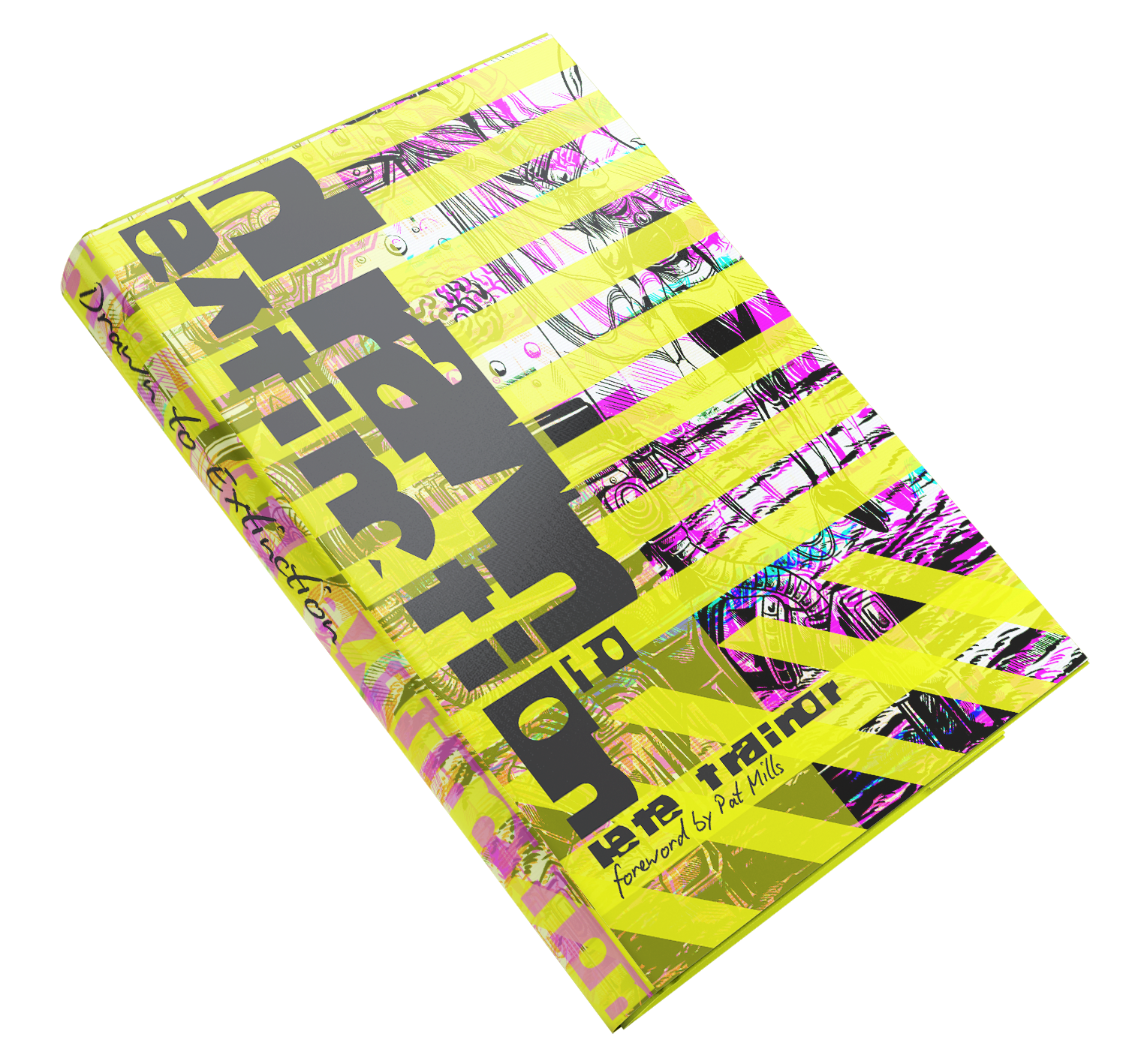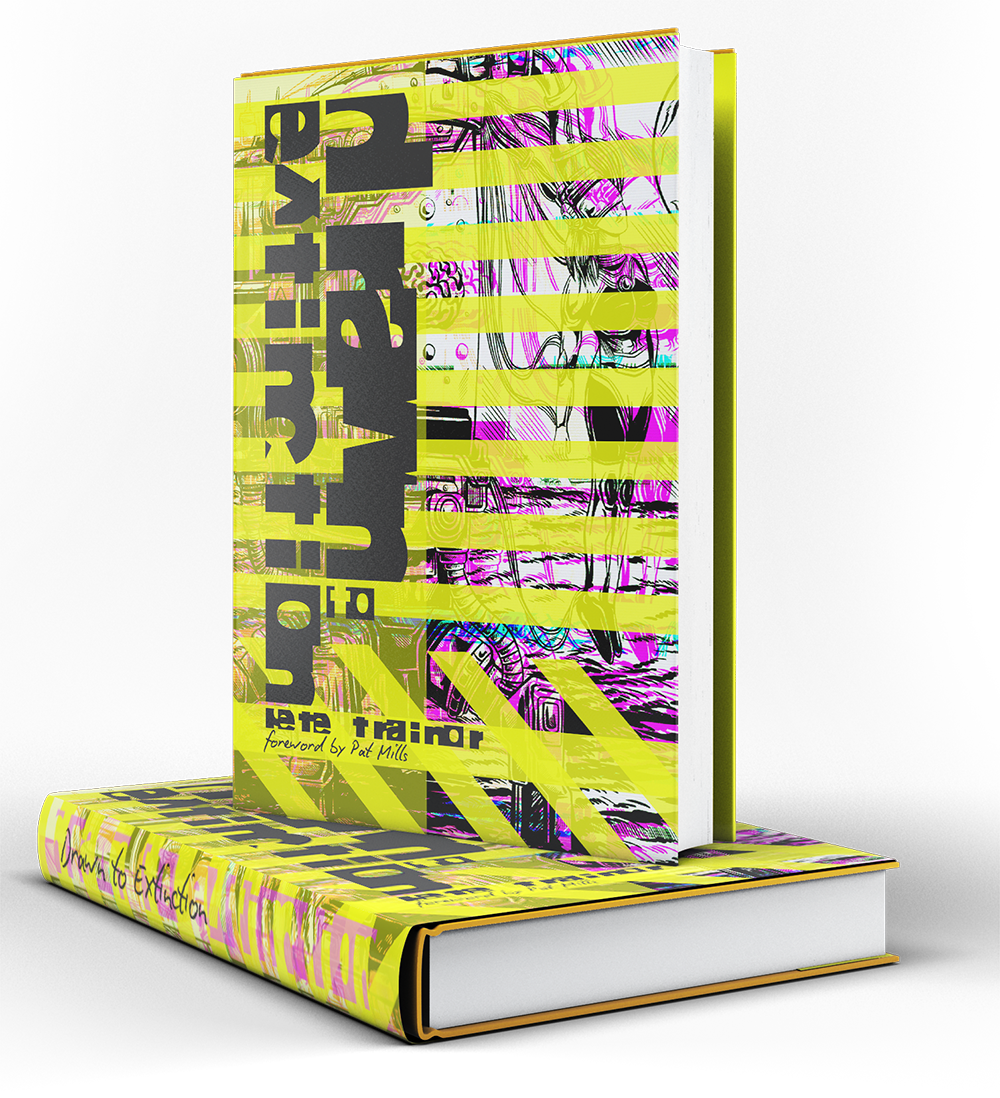
Released June 2026
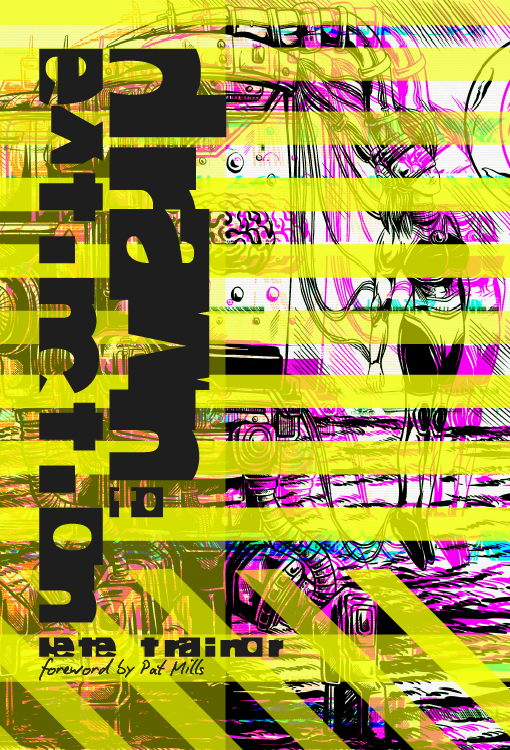
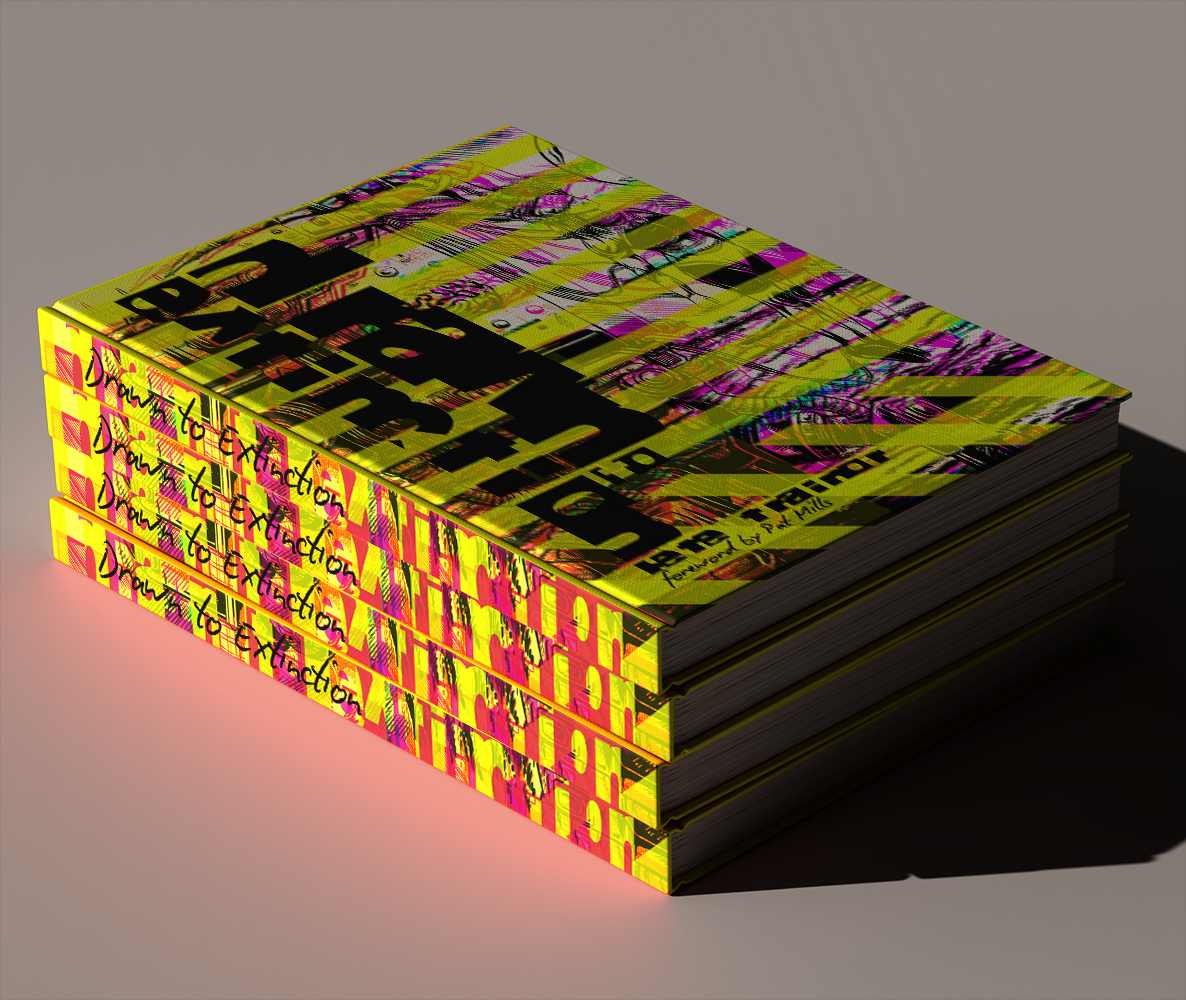
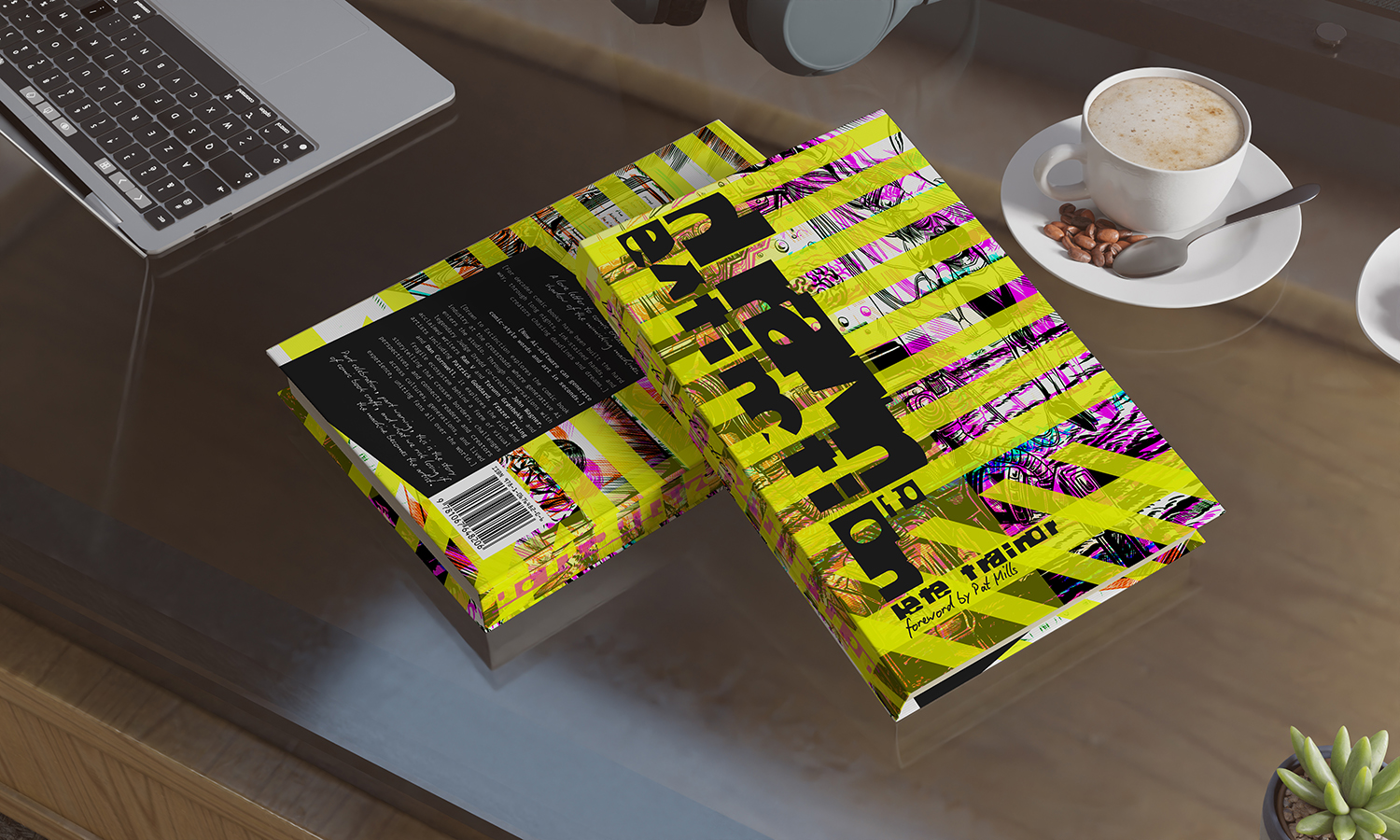
Drawn to Extinction
And why the mimicking machine doesn't get to decide.
Buy Now Also available on Kindle from Amazon.
And why the mimicking machine doesn't get to decide.
Buy Now Also available on Kindle from Amazon.Comics are created slowly, painfully, lovingly. Lines are argued with, erased, redrawn. Worlds are invented character by character, panel by panel. Every page carries a decision, and each of those decisions belongs to a person. But that culture is under threat by technology we've already started to take for granted.
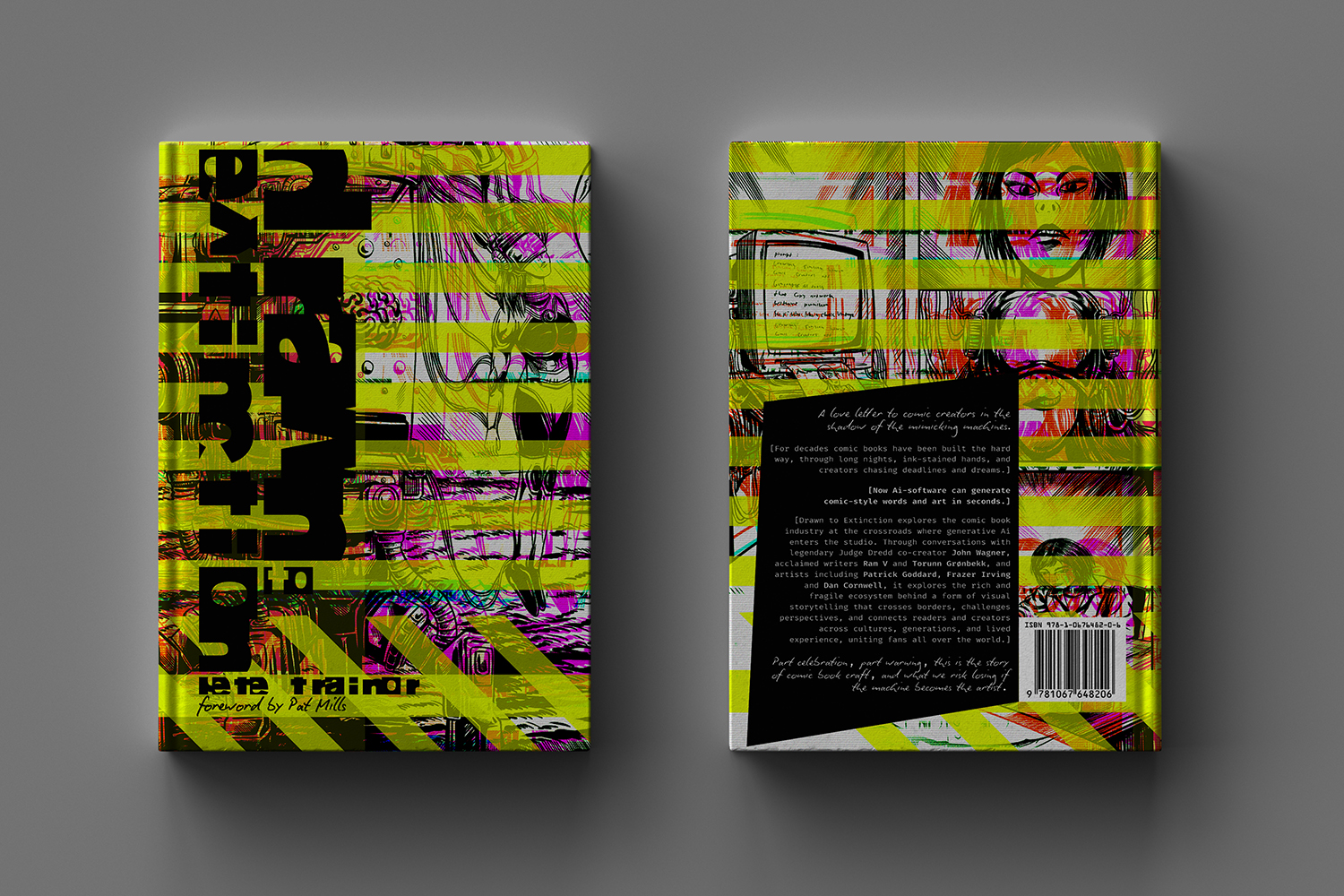
Drawn to Extinction is a book about what happens when an important but fragile creative ecosystem collides with a technology that values speed over meaning, output over intent, and scale over craft. It's a book for anyone who loves comics, and for anyone paying attention to what Ai is doing to the people who make the things we love.
Judge Dredd creator John Wagner compares Ai creativity to a jukebox, capable of replaying songs but never feeling the room. Illustrator Patrick Goddard imagines a world where our first instinct is to assume everything is a simulation. Creative force Dan Cornwell warns that when you remove the work, you remove the reason to improve, while master storyteller and world-builder Ram V speaks candidly about ambition flattened into adequacy. Legendary artist Frazer Irving takes a more philosophical stance celebrating human mistakes as a form of learning. Writer and artist Torunn Grønbekk reminds us that every line carries responsibility, and comic book royalty Steve McNiven helps to strip it back to a truth most artists already know — that speed has never made a drawing better, and that struggle is not waste, it is the work.
Around them, the wider picture sharpens. Professor of comics and storytelling Dr Julia Round exposes how bias hides inside systems that claim neutrality, while plagiarism expert Jonathan Bailey lays bare the contracts and clauses quietly transferring power away from creators. Lesley Gannon, a leading voice for the writers' guild, speaks about class, access, and who is always first to be pushed out when industries decide efficiency matters more than people.
Running through all of it is the voice of a comic book nerd who found confidence, courage, and identity in ink and panels, and now uses those same pages to give rhythm and purpose to a personal exposé on how Ai is reshaping the world that made him.
With an explosive foreword by godfather of British comics, Pat Mills, and contributions from voices new and established, this is sure to ignite debate, passion and discussion.
If you remove intention from the process, you don't get neutrality. You get bias that no one feels accountable for.

What's sad is that at some point we'll stop and question everything, 'Do you think that was actually done by a person?' because our default position will be that everything is a simulation.

If you take the work away from people, you take away their reason to get better. And that's when everything starts looking the same.

If we treat historical material as neutral training data, we quietly lock past bias into the future.

If you take the work away from people, you take away their reason to get better. And that's when everything starts looking the same.

People talk about speed like it's progress, but speed has never made a drawing better. Time does.

Most creators don't lose their rights in a single dramatic moment, they lose them one clause at a time. Ai and Automation doesn't break contracts, it exploits the fact that most people who work in comics never had leverage to begin with.

The danger isn't that ai makes something bad. It's that it makes something acceptable, and acceptable is how culture slowly forgets how to ask for better.

If people care so little about their entertainment that they'll let the algorithm feed them A.I. Generated content then there won't be a place for what we do.
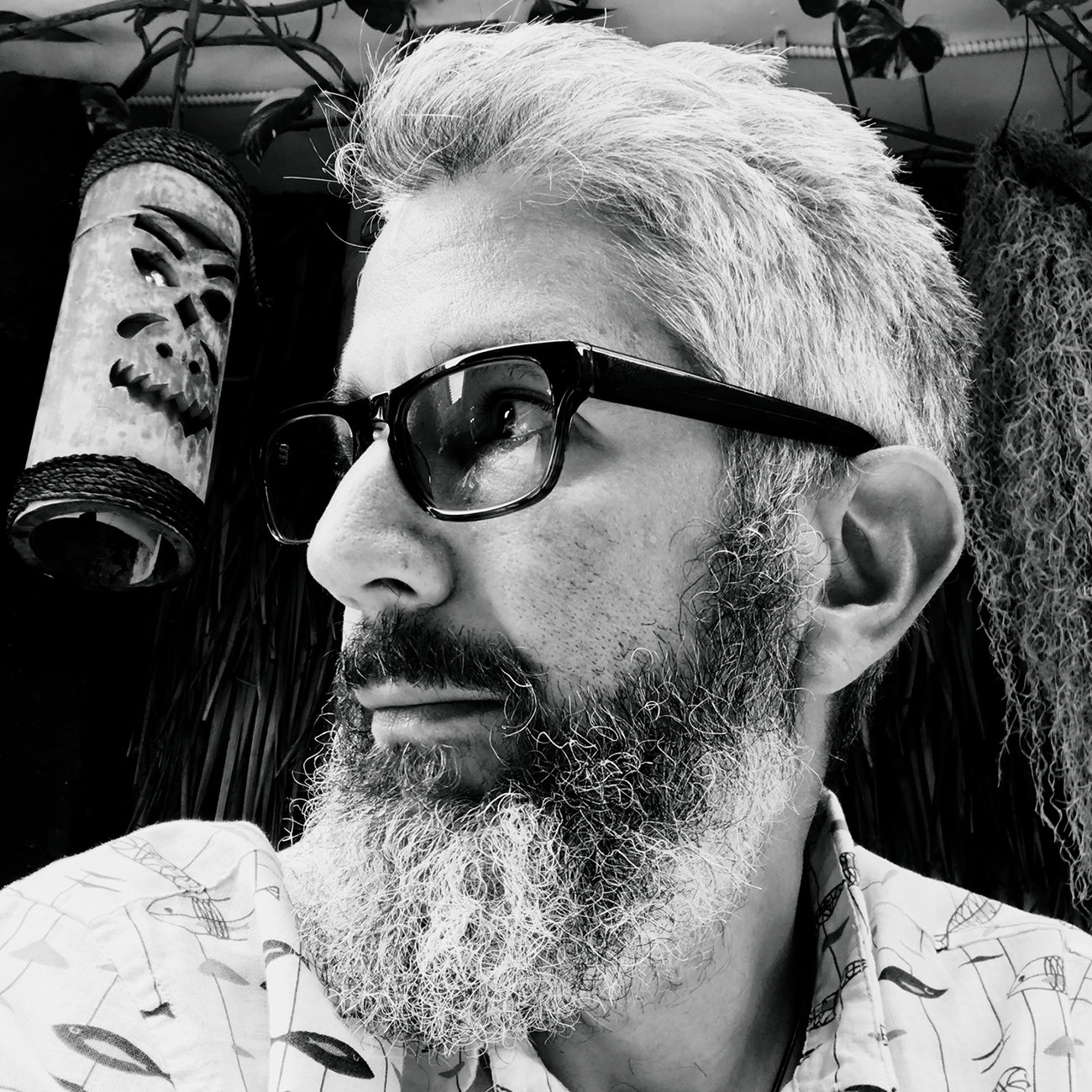
"Don't worry, this isn't another dystopian book about Ai. But it is about a generation of creators being quietly overwritten for profit. It's my journey to learn about the paper cuts, the convention lines, the late nights lettering splash pages by lamp-light, and it's about the fans who've held the line for decades, and the kids growing up swiping instead of sketching."
"It's also about the tech-bros who've never drawn a panel in their lives, but still want to own the entire art-form. We're at a cross-roads, and I see a way to zig instead of zag."
My SubStack newsletter is the other side of that argument, with extracts, conversations with contributors, and dispatches from inside two worlds that are quietly colliding.
Subscribe and follow the book as it finds its readers.
Subscribe on SubStack →Pete Trainor, Author
Email: pete[AT]drawntoextinction.com
Social: @petetrainor.fyi on BlueSky
Other Links: GoodReads, BookBub
Drawn to Extinction is available now through Comic Vault.