"Do Better Things."
Pro Bono & Charity Work

Better Things.

Pro Bono Contributor Philanthropist Skill Swapper Communicator Advisor N.E.D

"Do Better Things."

Alongside my commercial work, I've always made space for something quieter and more important: helping charities, NGOs, and public-sector organisations understand, adapt to, and responsibly use technology in service of people, not profit.

Much of my career has sat at the uncomfortable intersection between technology, behaviour, and vulnerability. That has shaped a long-standing commitment to working with organisations tackling mental health, suicide prevention, and online harm — often long before these issues were fashionable or commercially safe to discuss.

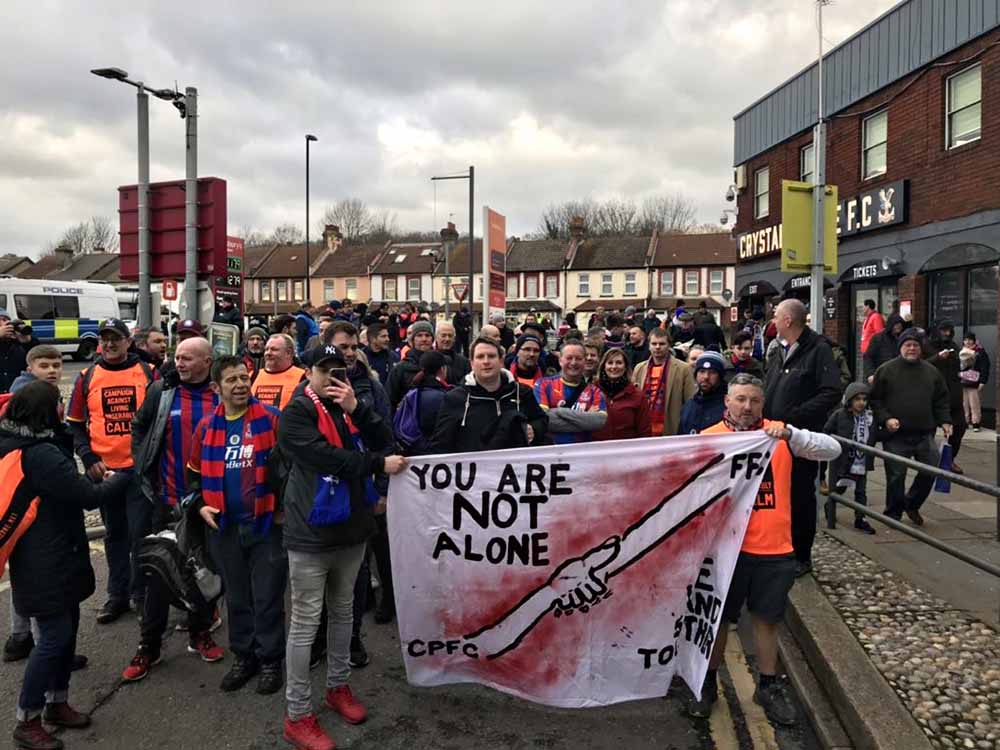
Pete Trainor at a CALM awareness walk

Walking with CALM — Campaign Against Living Miserably

CALM and Understanding Risk at Scale

In 2017, I began working with Campaign Against Living Miserably (CALM) to support their work around male suicide prevention and digital harm. At the time, social media platforms were already shaping behaviour at scale, but there was very little shared language for explaining risk in a way policymakers, charities, and funders could act on.

To help bridge that gap, I developed what became known as the Harmful Content Equation — a simple but confronting model designed to show how probability compounds at scale. It demonstrated how even low percentages of harmful or triggering content, when multiplied by platform reach, algorithmic amplification, and repeated exposure, create an unavoidable and significant risk to vulnerable children, teenagers, and adults.

The intention was not to sensationalise harm, but to make it legible. To give charities and public bodies a way to talk about systemic risk rather than isolated incidents. The work helped inform discussions across UK charities and parts of the public sector about digital duty of care, exposure thresholds, and the mental health impact of algorithmic systems.

The Harmful Content Equation
Harmful Content % × Platform Reach
× Algorithmic Amplification
× Repeated Exposure

=

Unavoidable Risk
A model for making systemic risk legible to policymakers, funders, and charities.
Find out more
Giving Time, Not Just Opinions

Pro Bono Work

Donating Time, Not Just Opinions

A core principle of my work is that access to experience should not be gated by budget. I regularly donate my time to charities, community groups, and campaigning organisations through talks, workshops, advisory sessions, and informal consulting.

These sessions typically focus on:

  • Understanding how modern platforms shape behaviour and attention
  • Translating technical concepts into language boards and funders can use
  • Exploring responsible, ethical uses of Ai and automation
  • Stress-testing ideas before organisations invest scarce resources

Much of this work is done quietly and without publicity, because the value is in the conversation, not the credit.

Collaboration Over Competition

Working with Man Made

I have also supported Man Made, a UK initiative bringing together influential voices, charities, brands, and organisations with a shared goal: reducing the rate of male suicide across the UK.

Man Made focuses on collaboration rather than competition, recognising that this is not a problem any single organisation can solve alone. My contribution has centred on helping frame the role of technology, culture, and narrative in shaping male mental health, and supporting conversations that move beyond awareness into sustained, practical action.

Why This Matters

Technology is never neutral. It amplifies what already exists — for better and for worse.

Charities and NGOs are often asked to respond to the downstream effects of systems they had no role in designing, while operating with a fraction of the resources of the platforms causing the harm. Helping close that gap, even slightly, feels like a responsibility rather than a choice.

This work does not sit apart from my professional life. It informs it. It sharpens my thinking about ethics, scale, and consequence — and acts as a constant reminder that behind every metric, model, or product decision sits a human cost.

If you're working in suicide prevention, mental health, or public-interest technology and think a conversation might help, I'm always open to one.

If you would like me to donate a talk to your charity, NGO, or social enterprise — please, just ask.

No budget required. No strings attached. Just a conversation that might make a difference.

Get in Touch